


Filming in Deep Tech – It’s all about the planning
A filming day at a deep tech company is expensive to set up and cheap to extend. The crew is booked, the lab is dressed, the lighting is up, so the marginal cost of capturing more is small. Getting the most from that day means planning three things beyond the film you booked.
Most companies book a shoot to make one thing, usually an about us film for the homepage. The film gets made, everyone is pleased, and eleven months later the company has one video living in one place while the sales team sends text decks to buying committees. The day could have produced far more, and the difference is all in the planning.

Do not stop at the about us video
Having video on your homepage so visitors can quickly understand your position is worth doing. On its own, though, it is a lot of effort for not a huge reward: one asset, one placement, one job.
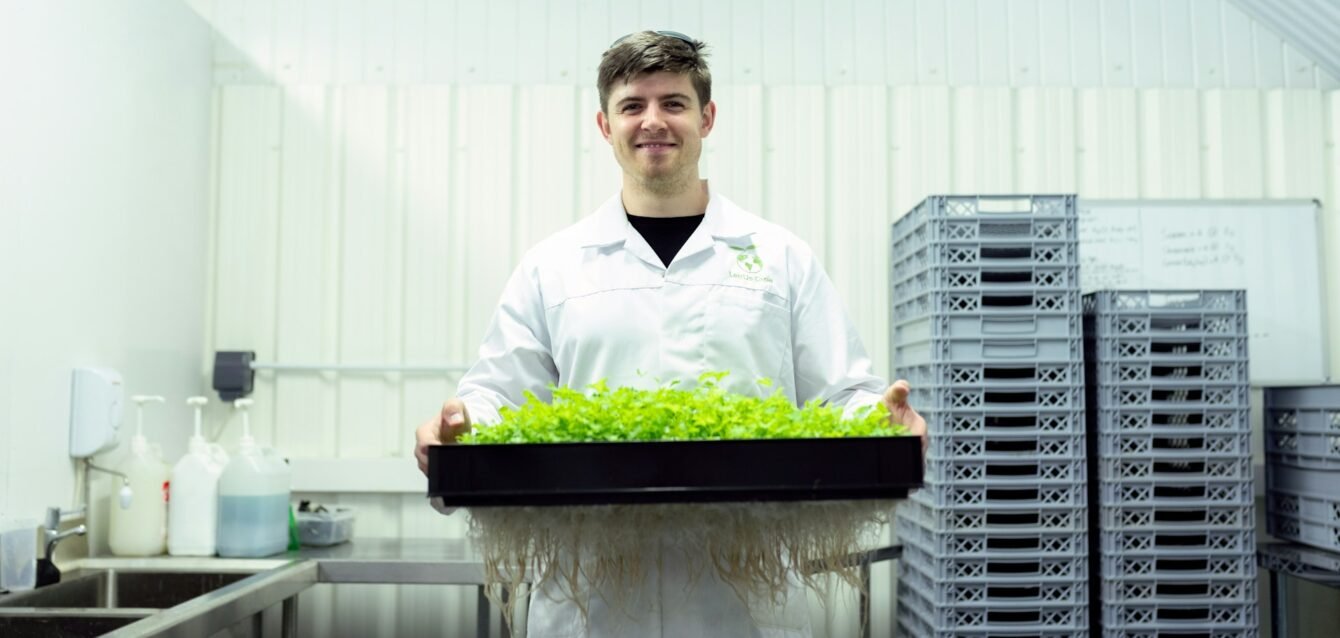
So make the homepage video as planned, and on the same day get as many of your employees on camera as you can. Ask them three to five questions each, specific to their role and the technology. The engineer who solved the sealing problem, the scientist who runs the test rig, the person who talks to the first customers. You will end up with a library of shorter clips that can live on LinkedIn, on your website, in pitch decks, and in packs sent to investors or potential customers.
The interviews work best unscripted. Ask the question, let the person answer it badly, then ask it again. The second or third answer is nearly always usable, because people relax once they have heard themselves say it. Nobody needs to memorise anything, and the people who dread the camera usually dread a script more than a conversation.
The questions matter more than the polish. What problem do you personally work on? What does it change for the customer? What was the hardest part of getting it to work? What surprised you? Role-specific questions produce answers nobody else in the company could give, and that specificity is what makes a thirty second clip worth a stranger’s attention.
Think about the castle wall
Let’s say you have a good meeting with a company interested in buying your product. That one person then has to go back to their castle: a buying committee full of stakeholders with different positions, different questions and different reasons to say no. You will not be in that room. Your contact carries your pitch in for you, from memory or whatever you give them, in whatever time they are given.
Instead of handing them one deck and hoping they deliver your pitch perfectly, arm them with material that talks to each person’s questions. A short numbers-focused video for the CFO. A technical clip for the engineer who will evaluate you, ideally the one where your engineer explains the hard part in their own words, because that interview library from the first section is exactly where these clips come from. A case study for the operations person who worries about what installation does to their line.
Two things happen. Conversations stop stalling, because the person with the objection gets an answer made for them rather than a second-hand summary. And your information stays accurate, because it travels in your words instead of your contact’s recollection of them. We have written more about how these committees work in selling to a deep tech buying committee.
When a shoot is the wrong spend
A caveat before the third point, because filming is not always the right move. If the company’s story is unsettled, if you cannot yet say plainly what you do, who buys it and why you win, then film will capture the confusion not the clarity you’re aiming for. Fix the message first; it costs less and it makes the eventual shoot twice as useful. And if the technology has genuinely nothing to show yet, a smaller shoot built around people rather than product is a good approach. A one day shoot is enough for most companies at this stage. Be suspicious of anyone selling you a week.
Sell the benefit before the mechanism
Whatever video you create, imagine the person watching has no idea what your product is. Sell what it does for them, not just the technical information.
So often deep tech videos are full of deep dive technical detail, and the effect is to shrink the audience to people who already understand the field. The buyer’s technical evaluation comes later, and there will be a right moment for the mechanism. The video’s job is earlier than that. Someone non-technical might see it, understand it because you made it accessible, and then share it with the colleague who can go through the technical specifics. That share is what you are designing for: an accessible video travels through an organisation, and a technical one stops at the first non-specialist.
This is not dumbing down. It is choosing which true thing to say first. The mechanism is still available for the people who want it, in the technical clip from your interview library so that engineer who might challenge the idea gets the information specifically for them.
Video as a sales tool rather than a brochure
Once you start to think of video as a sales tool, the use cases stop being obvious and start being everywhere. The question your team answers twenty times a year gets answered once, on camera, well. The champion inside your buyer’s building forwards a sixty second clip where a forty page deck would have sat unopened. The investor update carries a thirty second progress clip instead of three paragraphs. None of these are the homepage film, and all of them come from the same day’s shooting.
The pattern behind all three points is the same one: plan the day around the people who will watch, not the company being filmed. Our complete guide to video for deep tech covers formats and process in full. If you are weighing up a shoot and want a straight answer on whether it is the right time, including whether it is too early, a 20 minute call is the quickest way.
Frequently asked questions
How many videos can one filming day produce?
Planned properly, one day produces the main film you booked plus a library of shorter clips: an interview answer per person per question, each usable on LinkedIn, your website, in pitch decks and in packs sent to investors or potential customers. The main film is one asset. The interviews are dozens.
What questions should employees answer on camera?
Three to five questions each, specific to their role and the technology. What problem they personally work on, what it changes for the customer, the hardest part of getting it to work, and what surprised them. Role-specific questions produce answers nobody else in the company could give, which is what makes the clips worth watching.
What video assets help close B2B deals?
Assets made for the people who decide, not just the person you met. A short numbers-focused video for the finance lead, a technical clip for the engineer who will evaluate you, a case study for the operations person worried about rollout. Deals are decided by committees, and each seat needs to hear something different.
Should the homepage video come first?
Make it, but do not make only that. A homepage video helps visitors understand your position quickly, and it is a lot of effort for one asset in one place. The same filming day can produce the homepage video and the interview library, which is where most of the commercial value sits.